Berberine went viral as “nature’s Ozempic” — a natural, no-prescription shortcut to Ozempic-level weight loss. It’s a perfect case study in how the supplement world works: there’s real science here, and there’s a marketing lie stacked on top of it. Let’s separate the two.
“Nature’s Ozempic” is marketing, not science
Start with the big lie, because it falls apart for two reasons.
First, berberine doesn’t work like Ozempic. Ozempic (semaglutide) is a GLP-1 drug — it mimics a gut hormone that crushes appetite. Berberine works through a completely different pathway: an enzyme called AMPK, the same one metformin hits. Different drug, different mechanism.
Second — and this is the knockout — the magnitude isn’t remotely close. The largest analysis of berberine and weight found it produces about 2 kg of weight loss over roughly 12 weeks. Meanwhile semaglutide, the actual Ozempic, produced about 15% of body weight lost in its trial — for a 100 kg person, that’s 15 kg. That’s a 7-to-10x difference. Calling berberine “nature’s Ozempic” is like calling a scooter “nature’s Ferrari.”
But berberine isn’t snake oil: the real blood-sugar evidence
Here’s where I go the other way, because “it’s all a scam” would be just as wrong. Berberine is not a dud — its real strength simply isn’t weight. It’s blood sugar. A meta-analysis of 37 studies in more than 3,000 people found berberine significantly lowers blood glucose and HbA1c, comparable to metformin in head-to-head comparisons. It also lowers cholesterol and triglycerides. For someone with prediabetes or metabolic syndrome, that’s a genuinely useful tool — just not the one it’s being sold as.

The catch: poor absorption and real drug interactions
Before you order a bottle, the fine print the sellers skip:
- It barely absorbs. Less than 1% of oral berberine reaches your bloodstream, which is why the effects are modest — and why diarrhea and cramping are common companions.
- It interacts with real drugs. Berberine affects liver enzymes and can dangerously change the levels of medications like statins, blood thinners, and antidepressants. This is not “just a plant.”
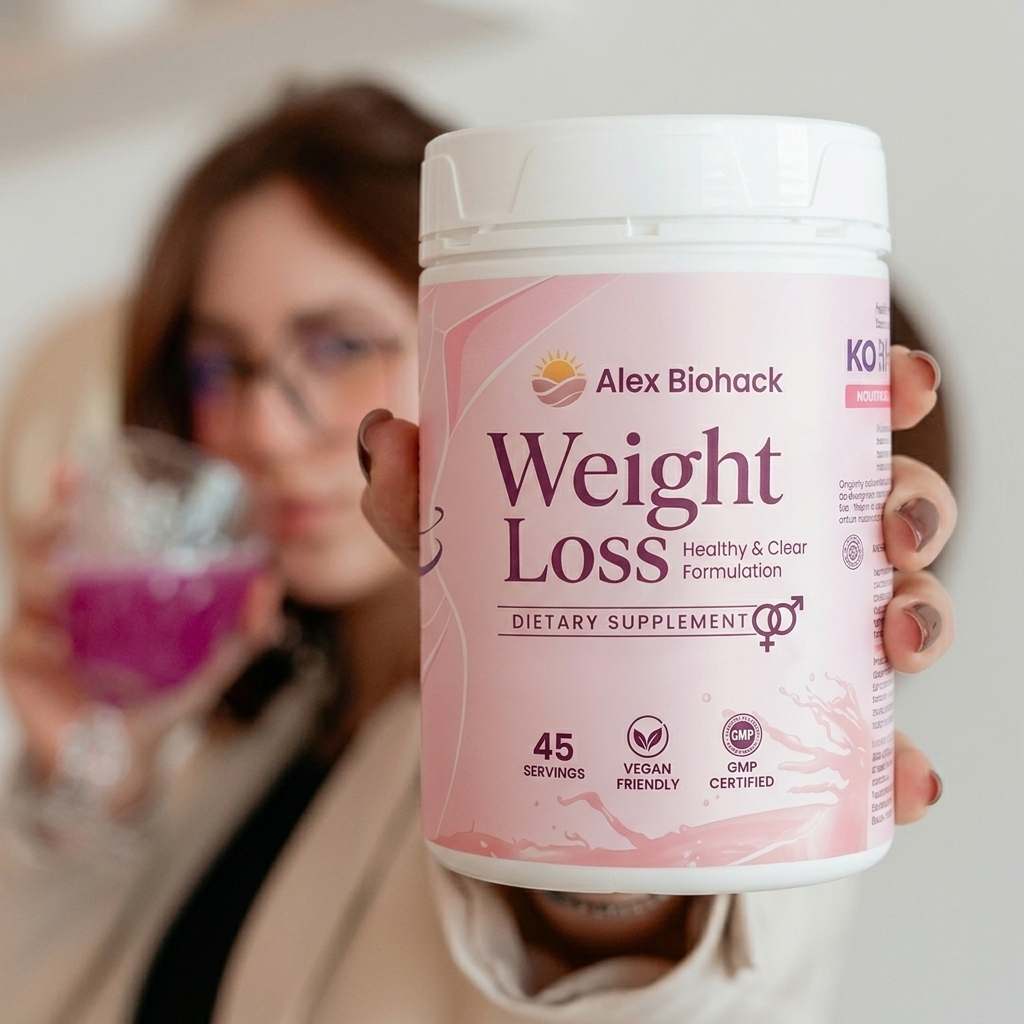
- It’s a supplement, so dose and purity swing wildly from bottle to bottle. (This is exactly why reading the label matters.)
- Not for pregnancy, and it can push blood sugar too low if you stack it with diabetes meds.
The honest verdict
Berberine is not “nature’s Ozempic.” For weight loss, it’s a fraction as strong. But as a tool for blood sugar and cholesterol, it has a real, respectable evidence base — nearly on par with metformin. So the question isn’t “scam or legit,” it’s “for what?” Want to drop 15 kg? Not this. Want to gently support prediabetes or metabolic health? Possibly this — but only after talking to a doctor, because of those interactions.
FAQ
Does berberine actually cause weight loss? A little — around 2 kg on average, far less than GLP-1 drugs like Ozempic. Any weight effect is small and mostly secondary to its metabolic benefits.
Is berberine the same as Ozempic? No. Ozempic (semaglutide) is a GLP-1 peptide drug; berberine is a plant compound that works through a different pathway (AMPK) and is 7–10x weaker for weight loss. They’re not comparable.
Is berberine safe? For most healthy people short-term it’s reasonably tolerated, but it has significant drug interactions (statins, blood thinners, antidepressants) and can cause GI upset. If you take any medication or have diabetes, check with your doctor first.
Here’s the real takeaway: berberine is a perfect model for the entire supplement market — a genuinely useful compound with a narrow use, blown up by marketing into a “miracle for everyone.” Figuring out which supplements actually deserve a place in your routine, at what dose, and how they fit together is exactly what I break down inside Biohack Academy — the real doses, the combinations that make sense, and what to skip, with the science behind each call. No hype, no “miracle molecule” upsells.
And if you just want a quick starting point, grab my free Get Your Free Supplement Stack — click a few buttons and get a quick guide to what actually fits your lifestyle, whether it’s work, study, sport, or something else. No card required.
Not medical advice — I’m a coach, not a doctor. Berberine has serious drug interactions and can lower blood sugar dangerously when combined with diabetes medication. If you take any prescription drug or have a medical condition, talk to your doctor before starting it.